Trucks


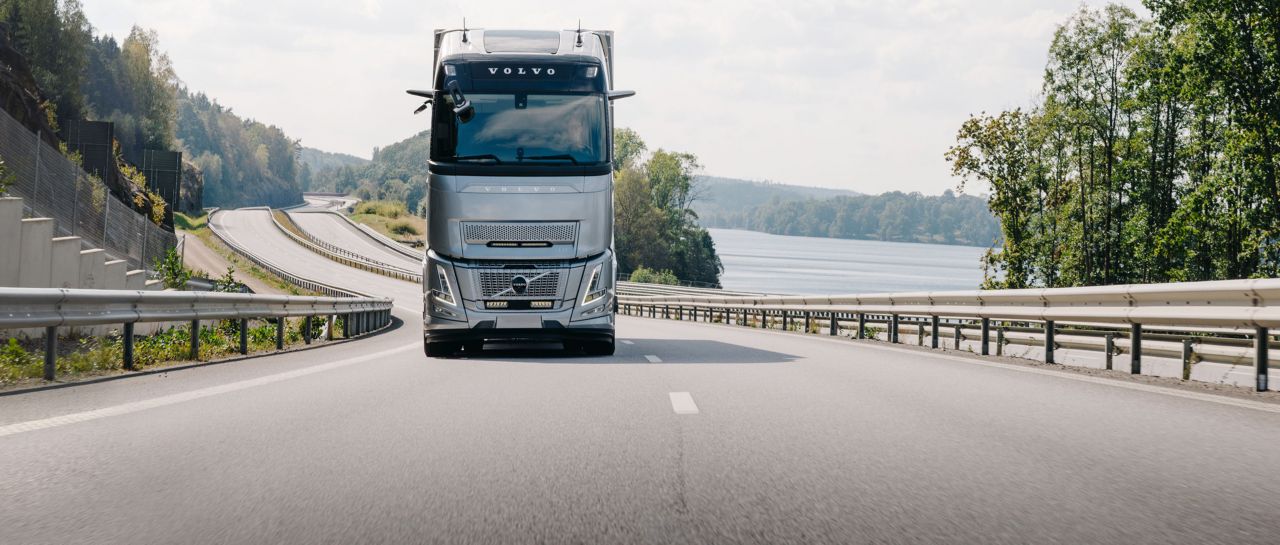
As a transport operator, you navigate a complex reality every day. You’re working to meet strict emissions regulations, control fuel costs that cut into your margins, and keep your schedule tight – all while managing a mix of different operations and routes. Volvo Trucks’ all-new 13-liter Euro 6 engine platform is designed to address those realities.
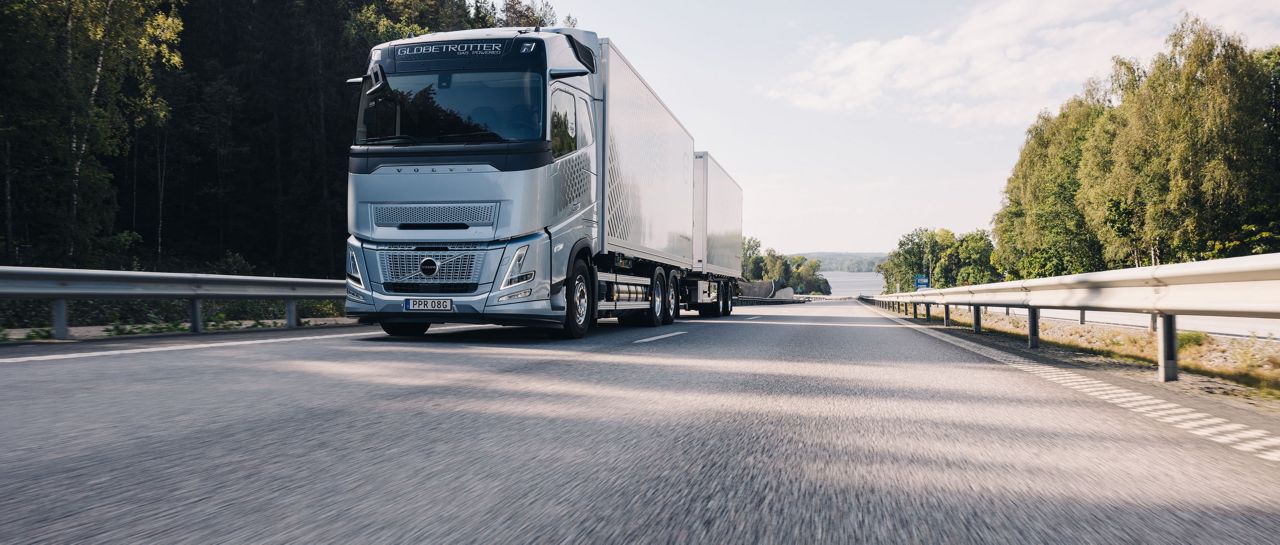
The platform includes both a new diesel engine and a new gas-powered engine. They are developed to deliver the performance you rely on, fuel efficiency that makes a real difference, and the flexibility to run on alternative fuels.
Here are the five key highlights of the new Euro 6 engine platform:
1. A platform to keep productivity high under pressure
The starting point for Volvo Trucks’ new 13-liter engines was to take a comprehensive look at the entire platform. The aim was to improve efficiency, performance, and flexibility across both diesel and gas-powered applications, while providing practical ways to reduce CO₂ emissions.
“With this new platform, we wanted to create a foundation for both today’s needs and future development. Something more versatile than today’s engines and more efficient across a wider range of operating cycles,“ says Mikael Järnebratt, Commercialization Manager at Volvo Trucks.
The result is an all-new platform designed to help transport operators handle demanding assignments while lowering fuel consumption and operating costs.

With this new platform, we wanted to create a foundation for both today’s needs and future development. Something more versatile than today’s engines and more efficient across a wider range of operating cycles.
2. Fuel efficiency in everyday operations
For most transport companies, fuel is the single largest operating cost, and one of the hardest to control. Margins are tight, contracts are competitive, and even small fluctuations in consumption can reshape profitability over the course of a year.
With the new 13-liter engine platform, Volvo Trucks focused heavily on improving fuel efficiency in real-world operations. Compared with the previous generation, fuel consumption and CO₂ emissions can be reduced by up to 5%* for the diesel engine and 3.9%* for the gas-powered engine – improvements that translate directly into lower operating costs.
*The actual fuel economy varies according to many factors, such as the driver’s level of experience, use of cruise control, the vehicle specifications, vehicle load, actual topography and current weather conditions.

3. More power where it’s needed
When handling heavier combinations or challenging terrain, you need engines that keep pace. The new diesel engine delivers up to 560 hp and higher torque, improving performance and drivability.
“Operations are tougher than ever with tighter schedules, longer distances, and heavy cargo. We wanted to make sure the engine keeps pace with those realities. And the result is measurable in torque output and fuel savings,” says Mikael Järnebratt.
4. Higher torque for everyday assignments
Gas-powered trucks have long been chosen primarily for sustainability reasons. A way to lower emissions and meet environmental targets.
With a 2800 Nm torque, 300 Nm more than its predecessor, Volvo Trucks’ new gas-powered engine shifts that balance. The additional torque brings performance on par with the new diesel engine on demanding long-haul and regional-haul assignments, adding more flexibility in how and where gas-powered trucks can be deployed. At the same time, improved fuel efficiency helps lower both fuel consumption and emissions.
“It’s not just about choosing gas for environmental reasons,” says Mikael Järnebratt. “With the increased torque, customers benefit from even better performance and productivity. That makes gas-powered transport not only a responsible choice, but a competitive one.”
It’s not just about choosing gas for environmental reasons. With the increased torque, customers benefit from even better performance and productivity. That makes gas-powered transport not only a responsible choice, but a competitive one.

5. Flexibility for real-world operations
Alternative fuel availability and local incentives still vary depending on region and infrastructure. The new engines are compatible with several alternative fuels – biodiesel, HVO, and Bio-LNG – helping you reduce CO₂ emissions while giving you the flexibility to choose what best fits your business today and tomorrow. One can also mix traditional and alternative fuels, depending on availability and climate ambitions.
“We know that the transition will look different in different markets,” Mikael continues. “That’s why flexibility is essential. Customers need options that fit their operations today, not just long-term ambitions.”
The future of combustion engine technology
With the introduction of the new 13-liter diesel and gas-powered engines, Volvo Trucks continues to refine combustion engine technology alongside the broader powertrain portfolio. And the goal is clear: better fuel efficiency, stronger performance, and several alternatives to reduce CO₂ emissions.
Find the right solution for your business:
- Discover the benefits of the new gas-powered engine
- Tailor your own truck in Truck Builder
- Explore our product range